 DE

Fatigue at work – combating it with ergonomics
Fatigue in the workplace not only affects concentration, but can also increase the risk of errors and accidents. In industrial manufacturing in particular, unfavourable working conditions can lead to fatigue. Find out how ergonomic workplace design helps to combat fatigue.
Why we get tired at work: causes and symptoms
Fatigue in the workplace is not only unpleasant, but can also jeopardise health and safety. Reduced alertness and slower reaction times increase the risk of errors and accidents, particularly when carrying out safety-critical tasks. At the same time, the associated difficulties in concentrating can affect productivity on the production line. Fatigue at work is not always caused by a lack of sleep.
It is often the working environment itself that contributes to fatigue – or poorly designed work processes. Prolonged sitting, poor posture and inadequate ventilation can slow down circulation and blood flow to the brain. The resulting fatigue manifests itself in reduced alertness, muscle pain, difficulty concentrating, slower reaction times and a general feeling of malaise.
These areas are particularly affected
Fatigue in the workplace is a problem in almost all sectors and fields. However, it is particularly prevalent in roles where prolonged standing or sitting, repetitive movements and a lack of natural light are the norm. This applies in particular to jobs in manufacturing and production:
- Pharmaceutical industry
- Electronics manufacturing
- The automotive industry and the supply sector
- Medical technology
- Mechanical and Plant Engineering
- Electrical Engineering
- Aerospace industry
- Defence industry
- Precision engineering and precision manufacturing
How ergonomics helps to combat fatigue
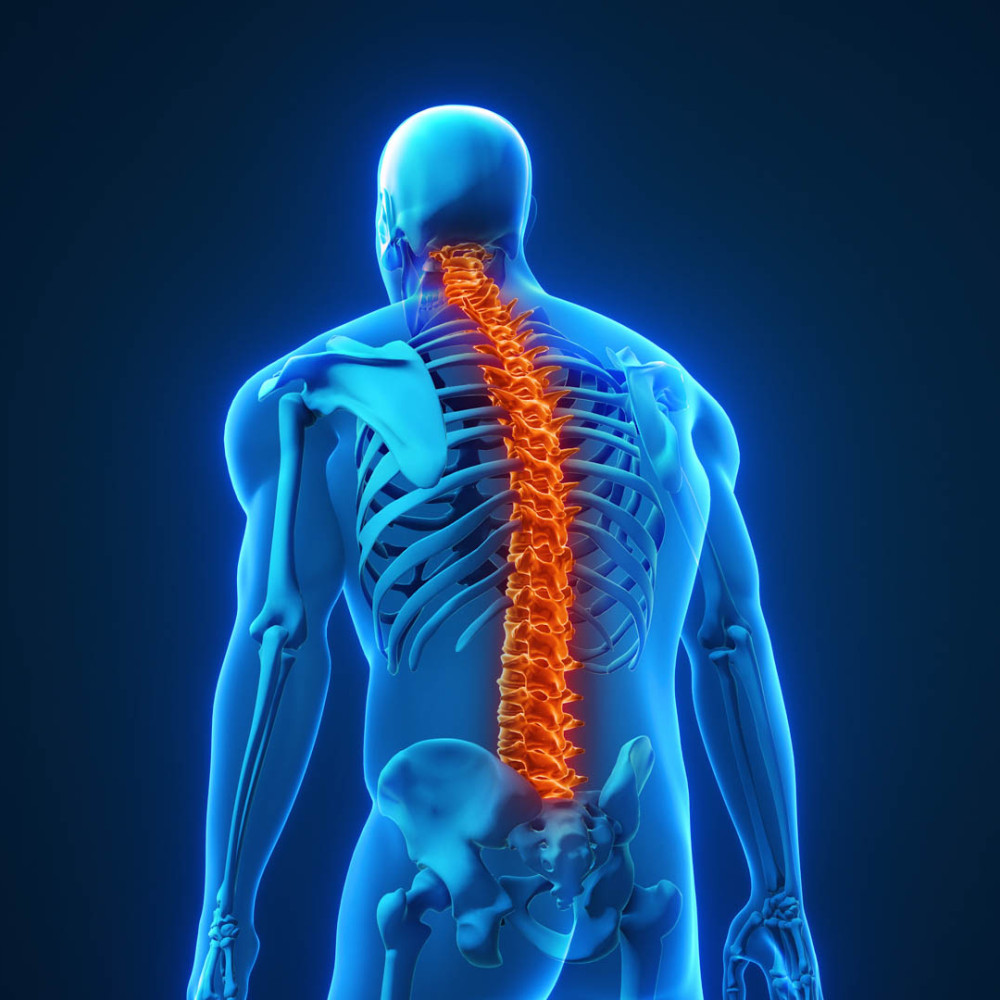
Production facilities and laboratories can implement various measures to reduce work-related fatigue. Seating and standing heights should be adjusted so that you maintain an upright posture at all times – your spine remains straight and your arms rest on the worktop at a right angle. This promotes optimal blood circulation throughout the body and encourages deeper breathing. Both help to combat fatigue.
A key factor contributing to tiredness in the workplace is poor lighting. Where possible, position workstations at a right angle to the window to avoid direct glare or reflections. In production halls, bright, neutral-white lights can be beneficial as they promote alertness. A working environment that is too dark, on the other hand, strains the eyes and makes people drowsy.
In addition, optimal visual and reach zones help to maintain concentration whilst working. Place frequently used tools or laboratory equipment directly within easy reach, close to your body. This helps to avoid having to frequently overstretch or twist your upper body, which can drain your energy reserves over the course of a full shift.
A modular, height-adjustable workstation system ensures that these measures can be easily implemented. It can be adapted to suit different staff members. Even the reach zones can be adjusted quickly and without the need for tools. Examples of such workstation systems include, for instance, TriMax.
The 20-8-2 rule
The so-called 20-8-2 rule offers practical guidance on alternating regularly between sitting, standing and moving around. It states:
- Sit for 20 minutes
- Stood for 8 minutes
- 2 minutes' exercise
When used regularly, the 20-8-2 rule helps to reduce long periods of sitting and standing. This also effectively combats fatigue. These short breaks to move around stimulate blood circulation and supply the brain with fresh oxygen. TriMax makes it particularly easy to follow the 20-8-2 rule – thanks to individually saved height settings, you can switch effortlessly between the optimal sitting and standing positions.
Quick fixes for tiredness
It is not always possible to completely avoid feeling tired at work. However, even small changes are often enough to combat physical fatigue and help you stay focused throughout the working day. These include:
- Regular changes of position: Alternate between sitting, standing and moving about to reduce strain on one side of the body.
- Adjusting the height of your workstation: Adjust the height of the table to suit your height and the task at hand, to encourage an ergonomic posture.
- Optimising lighting conditions: Make sure you have sufficient, glare-free lighting to reduce eye strain and help you concentrate.
- Reducing reach distances: Keep frequently used tools and materials within easy reach to avoid unnecessary movements.
- Plan in breaks for physical activity: Even short bursts of exercise help to stimulate the circulation and break up long periods of sitting.
The key is that the workplace should adapt to the individual – and not the other way round. Flexible, ergonomic workstation systems such as TriMax create the conditions for this. They allow for individual adjustments and encourage regular changes in working posture. This helps to counteract work-related fatigue without having to make fundamental changes to production and laboratory processes.
Frequently Asked Questions
More knowledge articles
Fatigue at work – combating it with ergonomics
Fatigue in the workplace not only affects concentration, but can also increase the risk of errors and accidents. In industrial manufacturing in particular, unfavourable working conditions can lead to fatigue.…

A systematic approach to laboratory work: Why the TriMax is a good fit for the pharmaceutical industry
In pharmaceutical laboratories, precision determines quality: every step in the process must be reproducible and fully documented. At the same time, projects, procedures and teams are constantly changing. We explain…

How the workplace system in the defence sector remains flexible
The defence industry is expected to deliver faster than ever before, yet no one knows how long demand will remain high. What is needed is a manufacturing process that can…

The dangers of electrostatic discharge (ESD)
A tiny spark with major consequences: electrostatic discharges can damage or completely destroy electronic components – sometimes without anyone even noticing. In this article, you’ll find out what risks ESD…